

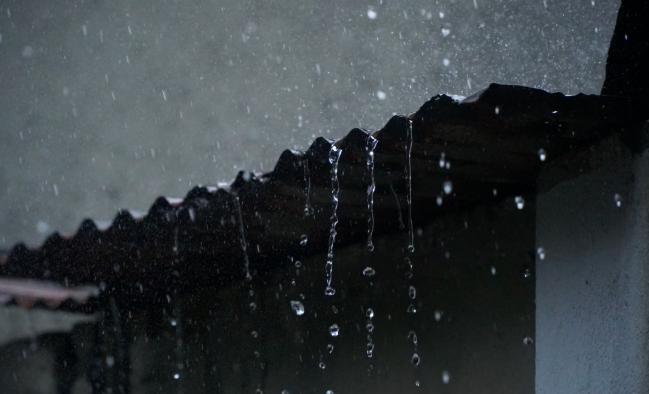
Pic Credit: Pexel
As cities face intense spells of rainfall alongside growing water demand, homeowners are increasingly looking at practical ways to make their properties more resilient. A combination of better drainage, roof maintenance, water storage and rainwater harvesting can help households prepare for future monsoons while making productive use of rainwater.
Rather than treating rainwater only as a drainage challenge, homeowners can design systems that capture, store and reuse water while safely managing excess runoff.
Begin with a complete home inspection
Preparing for the next monsoon should start well before the rains arrive. Roofs, terraces, gutters, downpipes, walls and drainage channels should be checked for cracks, blockages and signs of leakage.
Small repairs carried out early can prevent larger problems later. Waterproofing vulnerable sections of the roof and walls can also help protect the structure from prolonged exposure to moisture.
Turn the roof into a water collection point
A properly designed rooftop harvesting system can channel rainwater through gutters and downpipes into a storage tank.
A first-flush system can divert the initial runoff, which may contain dust and other material accumulated on the roof. The remaining water can then pass through an appropriate filter before entering the storage system.
Collected water can be used for suitable non-drinking purposes such as gardening, cleaning outdoor areas and other household activities, subject to appropriate treatment and local requirements.
Recharge groundwater where suitable
Not every property needs a large storage tank. Where local geology, groundwater conditions and regulations permit, homeowners can consider a recharge pit or recharge well.
Such systems allow suitable rainwater to percolate into the ground and support groundwater replenishment. However, recharge structures should be professionally planned and kept away from building foundations, septic systems and other potential sources of contamination.
Drainage is equally important
Rainwater harvesting should be combined with effective stormwater management. Water should be directed away from the home’s foundation, while areas prone to standing water can be improved with suitable surface drainage.
For larger properties, options such as permeable paving, rain gardens and landscaped infiltration areas can help slow runoff and allow more water to enter the ground naturally.
Plan the work before the next monsoon
A practical home-improvement schedule can make preparation easier:
- Inspect: Check roofs, gutters, walls and drainage routes.
- Repair: Fix cracks, leaks, damaged pipes and waterproofing issues.
- Install: Add gutters, filters, storage tanks or suitable recharge systems.
- Test: Check overflow routes and drainage before heavy rainfall begins.
- Maintain: Clean gutters, filters and drains regularly throughout the rainy season.
A long-term investment in water security
The value of rainwater harvesting goes beyond one rainy season. A well-maintained system can reduce dependence on conventional water supplies for suitable uses, support groundwater recharge and help manage stormwater around the property.
For homeowners, the most effective approach is therefore to think of rainwater as a resource to be managed rather than simply runoff to be removed. Combining harvesting with sound drainage, waterproofing and regular maintenance can make homes more comfortable, efficient and better prepared for increasingly unpredictable rainfall.
With thoughtful planning and timely improvements, next year’s rain can become an opportunity for better water management rather than a recurring household problem.