

Guwahati, Oct 6: The wild landscapes of Assam are attracting an increasing number of travellers, with Kaziranga National Park and Tiger Reserve recording 4.58 lakh tourist visits during 2025–26, an increase of around 8.5 per cent over the previous year.
The rise in visitors highlights Kaziranga’s growing appeal as a wildlife and nature destination, while also reflecting the increasing interest in tourism experiences that combine wildlife, conservation, local culture and the outdoors.
According to figures shared by Assam authorities, Kaziranga welcomed 4,58,618 tourists in 2025–26, compared with 4,22,638 in 2024–25. Foreign tourist arrivals also increased, rising from 19,587 to 20,286 during the period.
Beyond the Rhino: A Wider Wildlife Experience
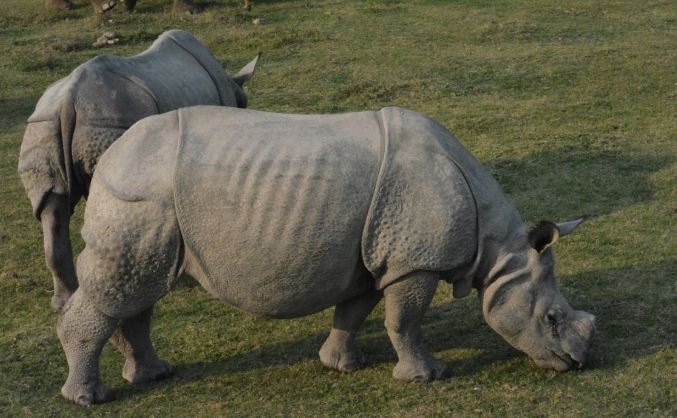
Kaziranga is globally recognised for its iconic greater one-horned rhinoceros, but the park offers much more than a glimpse of the famous animal.
Its grasslands, wetlands, forests and water bodies provide habitat for elephants, wild water buffalo, swamp deer, tigers and a wide variety of birds and other wildlife. The combination of diverse habitats gives visitors the opportunity to experience Assam’s wilderness in different ways.
The park’s reputation as a conservation success story has also helped strengthen its position on the international tourism map.
Tourism Experiences Are Expanding
Kaziranga’s tourism appeal is increasingly moving beyond conventional jeep safaris.
New and emerging experiences include nature and cycling trails, eco-stays, ethnic restaurants and boat safaris, giving visitors more opportunities to explore the landscape and engage with the region’s natural and cultural heritage.
The diversification of tourism can also create opportunities for communities living around protected areas, particularly through accommodation, food, transport, guiding, handicrafts and other tourism-linked activities.
Conservation and Tourism Growing Together
The rise in tourist numbers comes at a time when Assam is placing greater emphasis on connecting tourism with conservation.
The challenge for a destination such as Kaziranga is to welcome visitors without putting excessive pressure on its fragile ecosystem. Responsible tourism, better infrastructure and careful management of visitor numbers will therefore remain important as the park becomes increasingly popular.
The idea is not simply to bring more people into the forest, but to ensure that tourism supports conservation while creating meaningful economic opportunities for communities around the protected area.
A Fresh Tourism Season Begins
Kaziranga has now reopened for the 2026–27 tourism season, with jeep safaris resuming from October 3. Elephant safaris are expected to return after the necessary preparations are completed.
The reopening comes with expectations of another strong tourism season, supported by growing interest in wildlife travel and Assam’s expanding tourism offerings.
For travellers, Kaziranga represents more than a traditional safari destination. It offers a chance to experience one of India’s distinctive natural landscapes while discovering the culture, food and communities surrounding it.
The continued rise in visitor numbers suggests that wildlife tourism in Assam is entering a new phase — one where conservation, local livelihoods and memorable travel experiences can grow together.
As Kaziranga welcomes another season of visitors, its biggest attraction remains unchanged: the opportunity to see nature in its own setting, while experiencing the remarkable biodiversity that makes Assam one of India’s most compelling wildlife destinations.