

The movement of goods across international markets has become faster and more technology-driven. Businesses today expect their products to reach customers on time, with fewer delays, lower transportation costs and better shipment visibility. For a global trading centre like Dubai, meeting these expectations has made technology an important part of logistics development.
Dubai has built a strong logistics foundation through its seaports, airports, highways, warehouses and free trade zones. Its location between Asia, Europe and Africa also makes it an important connection point for international businesses.
However, modern logistics requires more than physical infrastructure. Companies must manage large volumes of cargo, changing customer demand, transportation schedules and complex supply chains. Artificial intelligence, automation, digital platforms and connected tracking systems are helping businesses manage these challenges more effectively.
Dubai’s Infrastructure Strengthens Global Trade
Dubai’s logistics industry benefits from an integrated transportation network that connects sea, air and road freight. This infrastructure allows businesses to transport goods between international markets and distribute products across the Middle East and beyond.
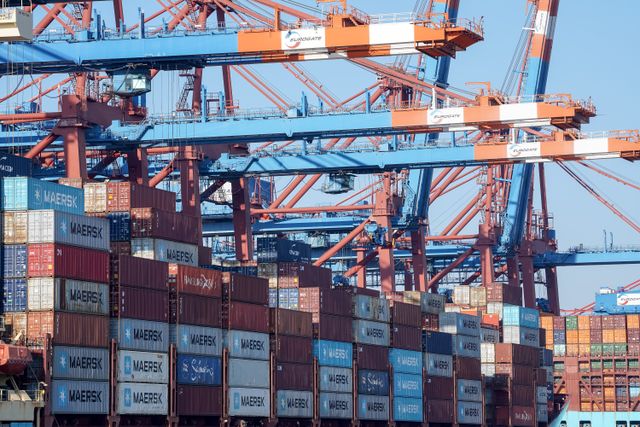
Jebel Ali Port plays an important role in container shipping and international trade. Its nearby logistics and industrial facilities support storage, distribution and cargo handling. Dubai’s airport network provides another important channel for transporting high-value, urgent and time-sensitive goods.
The emirate’s road network connects ports, airports, warehouses and industrial areas, making it easier to move shipments between different locations. Free trade zones also provide businesses with facilities for importing, exporting, storing and distributing products.
This combination of infrastructure gives Dubai a strong advantage in managing international supply chains. Technology is now helping connect these facilities and make cargo movement more efficient.
Artificial Intelligence Makes Logistics Smarter
Artificial intelligence is changing how logistics businesses plan deliveries and manage transportation. Earlier, companies often depended on fixed routes and manual decisions. Today, intelligent systems can analyse traffic conditions, delivery schedules, weather patterns and shipment volumes to help businesses make better decisions.
For example, AI-powered route planning can identify traffic delays and suggest alternative routes for delivery vehicles. This helps transport operators reduce unnecessary travel, save fuel and improve delivery schedules.
AI can also support demand forecasting. By analysing sales patterns and previous shipment data, businesses can estimate how much stock they may need in the coming weeks or months. This can reduce excess inventory and help prevent product shortages.
For Dubai’s logistics industry, where goods move between ports, airports, warehouses and international destinations, better planning can make a significant difference to operating costs and customer satisfaction.
Smart Warehouses Improve Storage and Delivery
Warehousing is a major part of Dubai’s logistics ecosystem. Retailers, manufacturers, e-commerce businesses and international traders depend on warehouses to store products before they reach their final destinations.
As demand for faster deliveries increases, traditional warehouse operations are gradually giving way to more automated systems.
Modern facilities use robotics, automated guided vehicles, digital inventory platforms and smart sorting equipment to manage goods. These technologies can help workers locate products, organise storage and prepare orders with greater accuracy.
Automation is particularly useful for businesses handling large numbers of orders. It can reduce repetitive manual work, minimise picking and packing errors and improve the use of available storage space.
For e-commerce businesses, this means orders can be processed more quickly. For manufacturers and distributors, better inventory management can improve the movement of raw materials and finished products.
Real-Time Tracking Brings Greater Supply Chain Visibility
One of the biggest challenges in logistics is knowing where goods are and whether they are being transported under the right conditions.
Internet of Things (IoT) technology is helping businesses address this problem. Connected sensors and tracking devices can monitor shipment locations and collect information about temperature, humidity and movement during transportation.
This is particularly important for industries dealing with medicines, fresh food, flowers and other sensitive products.
For example, temperature-monitoring devices can alert logistics teams if a refrigerated shipment moves outside its required temperature range. This gives businesses an opportunity to investigate problems before goods are damaged.
Real-time tracking also helps customers receive more accurate delivery updates. Businesses can monitor shipments, identify delays and communicate with suppliers and customers more effectively.
Digital Trade Reduces Paperwork and Delays
International transportation involves several administrative activities, including customs declarations, shipping documents, permits and cargo clearances. When these processes depend heavily on paperwork, they can increase processing time and create additional costs.
Dubai has been expanding its digital trade services to make these procedures more efficient. Electronic customs services and online trade platforms allow businesses to manage documentation and access relevant services digitally.
This reduces the need for repeated manual submissions and helps improve coordination between importers, exporters, transport operators and other parties involved in trade.
For small and medium-sized businesses, digital documentation can make international trade easier to manage. It can also reduce administrative pressure and help companies plan deliveries with greater confidence.
Sea, Air and Road Connectivity Creates a Competitive Advantage
Dubai’s ability to connect different transportation methods is one of its major logistics strengths. Goods arriving through seaports can move to nearby warehouses, distribution centres or road networks. Shipments requiring faster transportation can use air cargo facilities.
This combination allows businesses to select transportation options based on delivery deadlines, product requirements and costs.
Digital logistics platforms are making this process more coordinated. Companies can use integrated systems to manage shipping schedules, warehouse availability, cargo transfers and final delivery.
This is especially useful for businesses dealing with electronics, pharmaceuticals, fashion products, food and industrial equipment. Better coordination between transportation modes can reduce waiting time and improve supply chain reliability.
How Technology Is Affecting Dubai’s Business Economy
The use of advanced technology in logistics is creating benefits across several parts of Dubai’s economy.
Lower operating costs: Better route planning, fuel management and warehouse automation can reduce unnecessary expenses and improve productivity.
Faster movement of goods: Digital documentation and coordinated transportation systems can help reduce delays in cargo handling and delivery.
Growth in e-commerce: Online retailers depend on efficient storage, inventory management and last-mile delivery. Technology helps businesses manage increasing order volumes and customer expectations.
Support for international trade: Strong connections between ports, airports, warehouses and free zones make Dubai more attractive to businesses involved in global distribution.
Protection of sensitive products: Connected monitoring systems can help maintain the required conditions for food, medicines and other temperature-sensitive goods.
New employment opportunities: The growing use of digital logistics systems is increasing demand for professionals in data analysis, automation, warehouse technology, supply chain management and cybersecurity.
Opportunities for Small Businesses and Technology Providers
The transformation of Dubai’s logistics industry is not limited to large transport operators. Smaller businesses and technology providers can also benefit from changing market requirements.
Companies can develop software for fleet management, inventory tracking, warehouse operations and delivery scheduling. There is also growing scope for connected sensors, cold-chain monitoring, automated storage systems and digital supply chain platforms.
Small logistics businesses can use affordable digital tools to improve delivery planning, monitor stock and communicate with customers. These improvements can help them compete more effectively without making large investments in physical infrastructure.
Technology providers that understand the practical needs of importers, exporters, retailers and warehouse operators can find opportunities by offering solutions that are reliable, affordable and easy to integrate.
Challenges in Adopting Logistics Technology
Although digital systems offer several advantages, adopting them requires careful planning. Advanced warehouse equipment, connected devices and logistics software can involve significant initial investment.
Smaller companies may also face difficulties integrating new technology with older systems. Employees need proper training to operate digital platforms and understand how to respond when technical problems occur.
Cybersecurity is another important concern. As more logistics activities move online, shipment records, customer information and warehouse systems need stronger protection.
Businesses must therefore focus on secure data management, regular system updates and employee awareness alongside technology investment.
Technology Will Drive the Next Phase of Dubai’s Logistics Growth
Dubai’s logistics strength comes from the combination of modern infrastructure, international connectivity and a growing focus on digital innovation. Its ports, airports, roads and free zones provide the foundation for global trade, while artificial intelligence, automation and real-time tracking are making supply chains more efficient.
For businesses, these developments mean better control over transportation, improved inventory management and more reliable deliveries. They also create opportunities for smaller logistics operators and technology providers to participate in a growing market.
As international trade becomes increasingly dependent on speed, accuracy and visibility, technology will play an even greater role in Dubai’s logistics industry. The future of the sector will depend not only on moving goods from one place to another, but also on managing the entire supply chain with greater efficiency, transparency and reliability.