

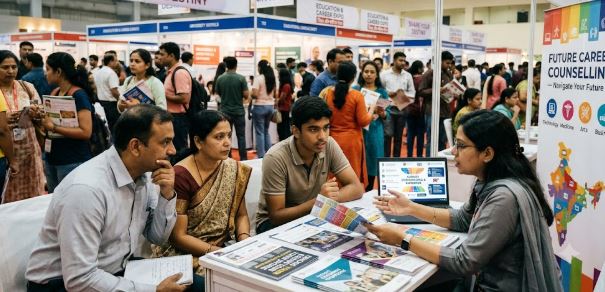
India’s education sector is evolving as students explore career options beyond traditional choices such as engineering, medicine and government employment. Opportunities in artificial intelligence, digital marketing, healthcare, finance, renewable energy and creative industries are broadening career possibilities, but they are also making educational decisions more complex.
For students and parents, choosing the right course now involves more than academic performance. They must consider personal interests, aptitude, course fees, skill requirements and future employment opportunities. This is bringing career counselling in India into sharper focus, creating a growing need for structured guidance that connects education with realistic career pathways.
The shift is also opening opportunities for education businesses. Schools, colleges, independent counsellors and digital learning platforms can develop services that help students make informed choices while supporting families through important academic transitions. However, sustainable growth will depend on affordability, professional expertise and the quality of advice offered.
Changing Career Opportunities Are Reshaping Education Choices
The expansion of technology-driven industries and specialised professions has changed the way students approach education. Careers in data analytics, cybersecurity, user experience design, sustainability and digital commerce now sit alongside established professions, giving students more ways to build their futures.
However, greater choice can create confusion when students have limited exposure to different industries or rely primarily on advice from family and friends. They may select courses based on popularity without fully understanding the skills, qualifications and costs involved.
Career counselling can help bridge this information gap. Through individual discussions, aptitude assessments and career exploration, students can evaluate options that match their strengths and interests.
For educational institutions, offering structured guidance can improve student support and help learners make more informed subject and course selections. For counselling providers, it creates an opportunity to deliver specialised services that address the needs of students at different stages of their education.
Bridging the Gap Between Education and Employability
Employers increasingly value practical skills, communication, problem-solving and adaptability alongside formal qualifications. Yet students may complete courses without a clear understanding of how their education connects with available jobs.
Career guidance can introduce students to industry expectations, vocational pathways, professional certifications, internships and emerging skill requirements before they commit to a particular course.
Schools and colleges can strengthen this connection by organising career workshops, inviting industry professionals and providing information about different educational routes. Training institutions can also use counselling services to help learners identify skill gaps and choose suitable programmes.
For education businesses, this creates opportunities to combine career guidance with skill development, internship support and job-readiness training. Such services can be particularly valuable when they focus on practical outcomes rather than promising guaranteed employment.
Digital Platforms Are Expanding Access to Career Guidance
Technology is creating new ways to deliver career counselling beyond traditional face-to-face sessions. Online consultations, digital aptitude assessments and virtual career workshops can connect students with qualified professionals across geographical boundaries.
This approach can help students in smaller towns and rural areas access guidance that may not be available locally. It also allows education providers to serve more learners through group sessions, digital resources and hybrid counselling programmes.
For edtech companies and independent counsellors, these models offer opportunities to develop services at different price points. Regional-language guidance, online parent consultations and affordable introductory assessments can help reach families with varied budgets.
However, digital tools should support rather than replace professional judgement. Students need advice that considers their interests, academic background, financial circumstances and individual goals, not just an automated assessment score.
Career Counselling Creates Opportunities for Education Businesses
As awareness of career planning increases, several areas of the education sector could benefit from stronger demand for guidance services.
-
Schools and colleges: Institutions can introduce career counselling programmes, parent workshops and structured guidance at key academic transition points.
-
Edtech platforms: Digital providers can offer online assessments, virtual consultations and career exploration resources.
-
Independent counsellors: Qualified professionals can build services around personalised guidance, subject selection and higher education planning.
-
Skill-development providers: Training businesses can connect career interests with practical courses, certifications and industry-relevant skills.
-
Regional education services: Local-language programmes and community-based counselling can help reach students who have limited access to specialist guidance.
For these business models to succeed, services must offer clear value. Transparent pricing, qualified professionals and recommendations based on student needs can help providers build credibility and encourage referrals.
The opportunity is not simply to sell more counselling sessions. It is to help students and families make better-informed educational decisions.
Affordability and Professional Standards Remain Key Challenges
Despite growing awareness, access to reliable career guidance remains uneven. Some families may find individual consultations expensive, while students in underserved areas may have limited access to trained counsellors.
The quality of advice also matters. Generic recommendations, poorly interpreted assessments and pressure to enrol in particular courses can undermine trust. Career counselling should help students understand their options rather than steer them towards choices that primarily benefit a service provider.
Education businesses can address these concerns through transparent fees, clear explanations of assessment methods and appropriate professional training. Schools and community organisations can expand access through group sessions and partnerships with qualified counsellors.
Government-supported employment and career information services, including India’s National Career Service, can also help learners explore opportunities and access relevant information.
NEP 2020 Strengthens the Case for Holistic Career Planning
The National Education Policy (NEP) 2020 places emphasis on flexible learning, vocational education and a broader range of skills. This direction supports the need for students to understand different educational pathways and their relationship with future opportunities.
For schools and education providers, career guidance can become part of a wider student-support strategy rather than a one-time activity before board examinations. Early exposure to different professions can help students explore their interests before making major academic commitments.
Businesses operating in the education sector can support this approach by developing age-appropriate career resources, structured counselling programmes and partnerships with industry professionals.
The long-term opportunity lies in making career guidance an accessible part of the education journey, not a service available only to families who can afford premium consultations.
Conclusion
India’s expanding career landscape is creating a stronger need for guidance that helps students connect their interests and abilities with appropriate educational and professional pathways. For learners, effective counselling can reduce uncertainty and support more informed decisions. For schools, colleges and education businesses, it offers an opportunity to improve student support and develop services around changing career needs.
However, growth in this sector must be supported by affordability, professional expertise and responsible advice. Digital platforms can expand access, but meaningful guidance still requires an understanding of each student’s circumstances and aspirations.
As education and employment requirements continue to evolve, career counselling can play an increasingly important role in helping students plan their futures while creating sustainable opportunities for India’s education industry.