

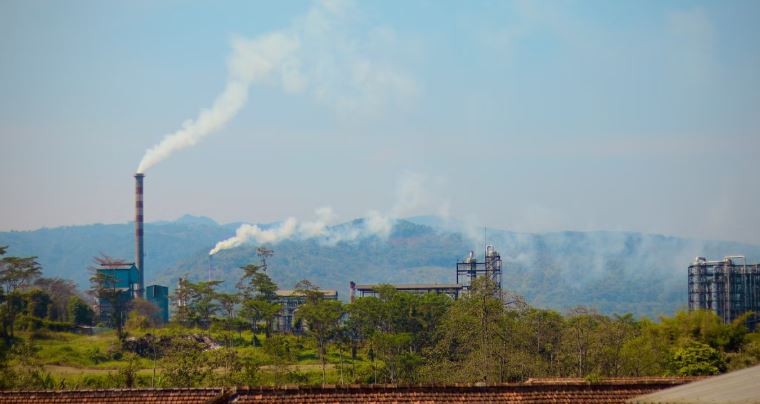
India’s air pollution crisis is emerging as a significant economic challenge, with an estimated annual cost of $95 billion arising from productivity losses, employee absenteeism, healthcare expenditure and premature deaths. Beyond its impact on public health, deteriorating air quality affects business operations, workforce efficiency, household finances and the country’s long-term growth prospects. As industries and cities face increasing pressure to reduce emissions, investment in clean air is becoming an important part of India’s economic and business agenda.
Air pollution is no longer an issue that can be addressed through environmental measures alone. It has direct implications for business performance, public expenditure, industrial competitiveness and sustainable development. For companies, governments and investors, reducing pollution can help limit economic losses while creating opportunities in cleaner technologies, energy efficiency and environmental management.
How Air Pollution Is Affecting India’s Economic Growth
A productive workforce is essential to economic growth, but prolonged exposure to polluted air can affect employee health, concentration and attendance. Respiratory illnesses and other pollution-related health problems may lead to more sick days, increased medical expenses and reduced working capacity.
These effects can be particularly challenging for sectors that depend on a large on-site workforce, including manufacturing, construction, logistics, retail and transportation. When employees are unable to work efficiently or regularly, businesses may experience operational delays, additional staffing costs and lower output.
The economic impact extends beyond individual workplaces. Reduced productivity can affect industrial output, service delivery and household earnings. Higher healthcare expenses may also leave families with less disposable income for other goods and services, potentially weakening consumption in pollution-affected regions.
For a growing economy such as India, protecting public health and workforce productivity is closely connected to maintaining long-term economic momentum.
The Financial Burden on Businesses, Workers and Households
The economic cost of air pollution is distributed across businesses, governments and ordinary households. Employers may face productivity losses, employee healthcare expenses and the cost of improving workplace conditions. Workers can experience reduced earnings, medical bills and disruptions to their daily routines.
Small businesses and micro, small and medium enterprises (MSMEs) may be particularly vulnerable. Unlike large corporations, smaller enterprises often have limited financial reserves to absorb employee absences, unexpected operating expenses or investments in cleaner equipment. Even temporary disruptions can affect delivery schedules, customer service and cash flow.
Households also bear a substantial burden through medical treatment, protective equipment and other measures intended to limit exposure. These expenses can place additional pressure on family budgets, especially when pollution-related illness affects multiple members of a household.
Recognising these interconnected costs is important for developing policies that protect public health without placing an excessive financial burden on workers and smaller businesses.
Government Spending and the Need for Effective Pollution Control
Public investment plays a critical role in improving air quality through pollution monitoring, urban planning, cleaner transport, industrial emission control and public awareness. India’s National Clean Air Programme provides a framework for addressing air pollution in cities through targeted interventions and air-quality improvement measures.
However, the effectiveness of public spending depends on implementation, coordination and measurable results. Investments in monitoring equipment, dust management, waste management and cleaner transport need to be supported by consistent enforcement and regular performance assessments.
Urban areas also require better coordination between transport authorities, municipal bodies, industrial regulators and infrastructure planners. Addressing construction dust, road dust, waste burning and vehicle emissions requires sustained action rather than isolated seasonal measures.
For policymakers, the challenge is to direct funding towards interventions that deliver lasting improvements. Transparent spending, reliable air-quality data and clear accountability can help ensure that public resources produce tangible environmental and economic benefits.
Why Clean Air Is Becoming a Business Priority
Air quality increasingly deserves attention in corporate risk management and long-term business planning. Pollution can affect employee well-being, operating continuity, supply-chain reliability and the cost of meeting environmental requirements.
Businesses can respond by improving energy efficiency, adopting cleaner production processes, monitoring emissions and reducing dependence on high-emission technologies. Manufacturing companies can examine fuel use and industrial processes, while commercial establishments can improve energy management and indoor ventilation where appropriate.
Corporate sustainability strategies should also move beyond broad commitments and focus on measurable outcomes. Tracking energy consumption, emissions, resource use and workplace exposure can help organisations identify risks and prioritise investment.
For investors and business partners, stronger environmental management can demonstrate that a company is better prepared to respond to regulatory changes and sustainability expectations. Clean-air initiatives should therefore be considered not simply an additional expense, but a potential investment in operational resilience and long-term competitiveness.
Clean Technology Opens New Investment Opportunities
The need to reduce air pollution is creating opportunities for businesses involved in emission-control systems, industrial filtration, air-quality monitoring, cleaner energy and pollution-management technologies.
Demand for reliable monitoring solutions can support the development of sensors, data platforms and analytical tools that help industries and local authorities identify pollution sources. Manufacturers can also benefit from technologies that improve energy efficiency, reduce industrial emissions and minimise waste.
Cleaner transport offers another important area for investment. Public transportation, electric mobility and improved urban transport planning can help reduce emissions from conventional vehicles, although the overall environmental benefits depend on factors such as electricity generation, vehicle use and supporting infrastructure.
Indian enterprises can strengthen their position by developing affordable, locally manufactured pollution-control equipment and technologies suited to the needs of cities, industrial clusters and smaller businesses.
Such investment can support innovation, create demand for skilled workers and strengthen domestic manufacturing capabilities. However, the scale of these opportunities will depend on effective policy implementation, access to finance and the ability to demonstrate measurable improvements in air quality.
Financing the Transition to Cleaner Industrial Growth
Moving towards cleaner operations requires investment, particularly for industries and MSMEs that may struggle to finance new equipment or upgrade existing facilities. Access to affordable credit, appropriate incentives and practical technical support can help businesses adopt pollution-reduction measures without placing excessive pressure on working capital.
Financial institutions can contribute by developing suitable lending options for energy-efficient machinery, emission-control systems and cleaner production technologies. Public-private partnerships may also help fund infrastructure and projects that provide wider environmental benefits but require significant initial investment.
At the same time, funding decisions should be linked to clear performance indicators. Measuring emissions reductions, energy savings and improvements in resource efficiency can help businesses and financiers evaluate the effectiveness of their investments.
A well-designed financing framework can make clean-air improvements more accessible to smaller enterprises while encouraging larger companies to accelerate industrial modernisation.
Collaboration Is Essential for Lasting Results
Air pollution cannot be controlled through the actions of a single industry or institution. It requires coordinated efforts involving central and state governments, municipal authorities, businesses, researchers, financial institutions and communities.
Industries must strengthen emission management and comply with environmental standards. Urban authorities need to improve public transport, road maintenance, waste management and construction practices. Policymakers must ensure consistent enforcement, while businesses can contribute through cleaner operations and responsible investment.
Reliable data will be equally important. Improved monitoring can help authorities identify pollution hotspots, assess the effectiveness of interventions and direct resources towards the areas with the greatest need.
Public awareness and community participation can further support behavioural changes, including reduced waste burning, responsible waste disposal and greater use of cleaner transport options.
Clean Air Is an Investment in India’s Economic Future
India’s air pollution crisis carries consequences that extend far beyond environmental degradation. Productivity losses, rising healthcare costs and operational disruptions can weaken economic performance while placing pressure on businesses, households and public finances.
Reducing this burden requires a long-term strategy that combines effective regulation, targeted public spending, private-sector participation and greater access to clean technology. Businesses must incorporate air quality into their operational decisions, while policymakers need to ensure that pollution-control programmes deliver measurable improvements.
The estimated $95 billion annual economic burden highlights the scale of the challenge, although the precise cost depends on the methodology, period and impacts included in the estimate.
Ultimately, clean air should be viewed as an economic asset. Investment in pollution prevention can help protect workers, strengthen business resilience, support innovation and improve the quality of life in India’s cities and industrial regions. By treating air quality as a core development priority, India can work towards a healthier population, a more productive workforce and a more competitive economy.