

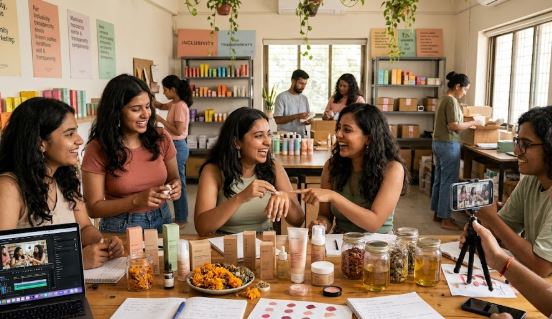
India’s beauty industry is entering a new phase of growth, with homegrown brands attracting consumers through affordable products, local expertise and more personal customer relationships. As beauty shoppers become increasingly informed about ingredients, formulations and product performance, local beauty brands are finding new ways to compete with established names. One of the biggest changes is the growing importance of community-led marketing, where customer reviews, social media conversations and genuine product experiences help shape purchasing decisions.
Traditionally, beauty advertising relied heavily on celebrity endorsements, glossy campaigns and aspirational brand messaging. Today, consumers are also looking for recommendations from people they can relate to. Product demonstrations, honest reviews and discussions about everyday skincare and haircare concerns are influencing how shoppers discover and evaluate beauty products.
For emerging businesses, this shift offers an opportunity to build recognition and customer loyalty without depending entirely on expensive advertising campaigns.
Why Local Beauty Brands Are Winning Consumer Attention
A major advantage of homegrown beauty brands is their understanding of local consumer needs. India’s diverse skin tones, hair textures and climatic conditions create demand for products that address specific concerns. Formulations suited to humid weather, lightweight skincare, inclusive makeup shades and products designed for different hair types can help local businesses differentiate themselves in a competitive market.
Affordability is another important factor. Consumers increasingly want products that deliver practical benefits at reasonable prices. Local brands can respond with focused product ranges, accessible pricing and clear information about ingredients and intended use. This is particularly relevant as younger consumers explore skincare, haircare and everyday beauty products while remaining conscious of their budgets.
Digital platforms have made it easier for these businesses to reach customers beyond their immediate markets. Through online marketplaces, direct-to-consumer websites and social media, smaller brands can introduce products, gather feedback and expand distribution without first establishing a large network of physical stores.
However, increased digital visibility also means stronger competition. With new products entering the market regularly, brands need more than attractive packaging or promotional offers to retain customers. Product quality, credibility and a clear understanding of consumer expectations are becoming essential to sustainable growth.
Community-Led Marketing Is Changing Beauty Advertising
Community-led marketing focuses on building relationships with customers rather than treating them simply as buyers. Brands encourage consumers to share experiences, discuss product performance, ask questions and participate in conversations about beauty routines and preferences.
Social media has become an important platform for this approach. Short product demonstrations, unboxing videos, makeup tutorials and skincare reviews allow potential buyers to see how products are used in everyday settings. Recommendations from micro-influencers and regular customers can also help brands reach specific audiences through relatable content.
Unlike traditional advertising, which generally communicates a carefully controlled brand message, community-led marketing creates opportunities for two-way communication. Customers can express concerns, compare experiences and suggest improvements, while businesses gain a clearer picture of what their audience expects.
This exchange can be particularly valuable for smaller beauty companies. Instead of relying exclusively on large advertising budgets, they can develop a stronger identity through consistent engagement, useful product information and responsive customer service.
Customer Feedback Is Becoming a Business Asset
For local beauty brands, community engagement can influence product development as well as marketing. Customers may share feedback about makeup shades, product textures, fragrance, packaging, pricing and ease of use. Businesses can use these insights to improve existing products or identify opportunities for new launches.
Involving consumers in product testing and development can also help brands understand demand before committing significant resources to production. For smaller businesses operating with limited budgets, this approach may reduce the risk of launching products that do not match customer expectations.
The benefits, however, depend on how brands use the feedback they receive. Asking customers for suggestions is only the first step. Businesses must demonstrate that their opinions are taken seriously and that genuine improvements follow.
Transparency is equally important. Clear ingredient lists, realistic product claims and honest responses to complaints can strengthen consumer confidence. In the beauty industry, where customers often have concerns about sensitivity, suitability and product performance, credible communication can help distinguish a brand from competitors.
The Business Benefits of Customer Trust
Community-led marketing can support business growth in several ways. Positive customer experiences may generate organic recommendations, increase brand visibility and encourage repeat purchases. User-generated content can also provide useful material for product education and online retail platforms.
Repeat purchasing is particularly important in beauty, where many products are used regularly. A customer who trusts a moisturiser, cleanser, shampoo or everyday makeup product may be more likely to return when the next purchase is due. Over time, this can help businesses build a more predictable customer base.
For small and medium-sized enterprises, a loyal community can offer a competitive advantage. Instead of competing solely on advertising expenditure, brands can focus on customer satisfaction, product consistency and meaningful engagement.
Businesses must nevertheless measure the commercial impact of their efforts. High social media engagement does not automatically translate into sales or profitability. Customer retention, repeat purchase rates, product reviews and customer acquisition costs provide a more useful picture of whether a community-led strategy is delivering results.
Challenges Local Beauty Brands Must Address
Building a community requires consistency and patience. Trust can be weakened by poor product quality, delayed deliveries, ineffective customer support or exaggerated claims. Negative feedback can spread quickly online, making it important for brands to respond professionally and address genuine concerns.
Authenticity is another challenge. Consumers may become sceptical when every review appears overly positive or when paid partnerships are not clearly disclosed. Brands need to distinguish genuine customer experiences from sponsored promotions and ensure that product claims are supported by appropriate evidence.
As businesses expand, maintaining personal engagement can also become difficult. Companies must establish reliable systems for managing queries, resolving complaints and tracking recurring feedback while preserving the approachable identity that initially attracted customers.
The brands most likely to succeed will be those that treat community engagement as a long-term business commitment rather than a temporary marketing trend.
The Future of Homegrown Beauty Brands in India
The growth of local beauty brands reflects a wider shift towards personalised products, digital discovery and more informed purchasing decisions. Consumers increasingly expect businesses to understand their needs, communicate clearly and deliver consistent value.
Community-led marketing can help homegrown brands respond to these expectations by connecting product development, customer service and brand communication. It can also create opportunities to serve niche audiences interested in inclusive beauty, ingredient transparency, sustainability and products inspired by regional preferences.
Yet, marketing alone cannot sustain long-term growth. Strong formulations, responsible product claims, competitive pricing, efficient distribution and dependable service remain essential. Digital platforms may introduce a brand to thousands of potential customers, but the quality of the customer experience determines whether many of them return.
For India’s beauty entrepreneurs, the opportunity lies in combining local knowledge with digital reach and genuine customer relationships. As competition intensifies, brands that listen to consumers, act on feedback and deliver on their promises will be better positioned to build lasting loyalty.
The rise of community-led marketing signals a change in how beauty businesses grow. Customers are no longer just the audience for a campaign; they are increasingly part of the conversation shaping a brand’s identity, products and future.