

Pic Credit: Pexel
India’s growing dependence on electronic devices has created a new business opportunity in waste management. From smartphones and laptops to televisions, refrigerators and discarded batteries, the country is generating increasing volumes of electronic waste. As consumers upgrade their devices more frequently, businesses are finding new ways to recover valuable materials from products that would otherwise end up in landfills or informal recycling centres.
The opportunity is significant. India generated an estimated 2.2 million metric tonnes of electronic waste in 2025, making it one of the world’s largest e-waste producers. The expanding waste stream is creating demand for collection services, recycling facilities, material recovery technologies and specialised waste management companies. Yet the economic benefits of this growing industry are not distributed equally.
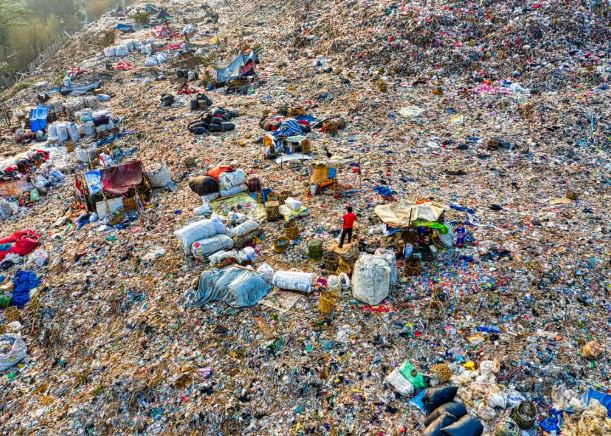
While organised recycling businesses are attracting investment and building commercial operations, thousands of informal workers continue to dismantle discarded electronics under hazardous conditions. The result is an industry caught between two realities: the promise of a profitable circular economy and the environmental and human costs of handling electronic waste without adequate protection.
The Business Opportunity Behind Electronic Waste
Electronic waste is no longer simply a disposal problem. It has become a potential source of valuable raw materials and a growing business opportunity for companies looking to reduce waste and recover resources.
Discarded electronic products contain copper, aluminium, gold, silver and other materials that can be recovered and returned to manufacturing. Batteries and selected electronic components may also contain materials that are important to energy storage and modern industrial production. Recovering these resources can reduce dependence on newly mined materials and create additional value from products that have reached the end of their useful lives.
For India, the opportunity has wider economic implications. The country imports substantial quantities of several metals and critical minerals used in electronics, electrical equipment and clean-energy technologies. Efficient recycling can help recover some of these materials domestically, strengthen supply chains and reduce the need for fresh extraction.
The industry also supports businesses beyond recycling plants. Collection networks, transportation providers, equipment manufacturers, testing laboratories and companies specialising in waste tracking can all benefit from the expansion of formal e-waste management.
However, turning discarded electronics into commercially valuable resources requires more than collecting old devices. Safe dismantling, sophisticated processing equipment, pollution-control systems and reliable access to waste are essential. These requirements create a competitive advantage for companies with the capital and technical expertise to operate at scale.
Why Formal Recycling Companies Are Gaining Ground
India’s e-waste regulations have encouraged electronics manufacturers to take greater responsibility for the waste generated by their products. The Extended Producer Responsibility framework requires producers to meet prescribed recycling obligations, creating demand for authorised recycling and processing services.
Under the E-Waste (Management) Rules, 2022, producers operate within a system of recycling targets and compliance requirements. Registered recyclers can generate certificates linked to eligible recycling activities, allowing producers to meet their obligations under the regulatory framework.
This has helped establish a commercial market around recycling capacity, documentation and regulatory compliance. For organised businesses, e-waste is increasingly becoming a source of revenue rather than merely an environmental liability.
Companies that invest in advanced recovery technologies can potentially earn money through multiple channels. These include recycling services, the sale of recovered metals, processing contracts and other permitted compliance-related activities.
Investors are also paying attention to the industry’s long-term potential. Rising electronic consumption, growing awareness of resource scarcity and stronger waste-management requirements could support demand for professional recycling services.
Nevertheless, market growth does not automatically guarantee profitability. Recycling businesses must manage collection costs, fluctuations in metal prices, transportation expenses, technology investments and the challenge of obtaining sufficient quantities of suitable waste. Companies must also meet environmental standards, which add to operating costs but are essential for responsible recycling.
The Informal Sector: Essential Workers, Unequal Rewards
Despite the growth of organised recycling, informal workers remain an important part of India’s electronic waste supply chain.
Small scrap dealers, waste collectors, dismantlers and neighbourhood recycling operators often collect unwanted electronics directly from households, repair shops and commercial establishments. Their networks can reach locations that formal collection systems struggle to serve.
These workers perform an important economic function by recovering reusable parts and separating materials that can be sold to traders or processors. For many, the trade provides an accessible source of income in areas where formal employment opportunities are limited.
Yet the same workers frequently operate with little protection against the risks associated with electronic waste. Dismantling devices by hand, breaking components, burning insulated wires or using unsafe chemical methods can expose workers to hazardous substances. Lead, mercury and other toxic materials may contaminate the surrounding environment when electronic products are handled improperly.
The consequences extend beyond the workplace. Contaminated dust, soil and water can affect nearby households and communities. Children and other vulnerable residents may face additional risks when waste-processing activities take place close to homes.
The economic imbalance is difficult to ignore. Valuable components can generate income at several stages of the recycling chain, but the people performing the most hazardous work may receive only a small share of the final value. They may also lack access to protective equipment, health services, insurance and reliable employment arrangements.
Who Pays for the Environmental Damage?
The environmental costs of poorly managed electronic waste rarely appear in the selling price of a discarded device.
When electronics are dumped, dismantled carelessly or processed using unsafe techniques, hazardous substances can enter the air, soil and water. Burning wires to recover copper, for example, can release harmful fumes, while uncontrolled disposal of batteries creates risks of chemical leakage and fire.
These practices can leave local communities dealing with pollution long after the materials have been sold. Public authorities may have to manage contaminated sites, address health concerns and improve waste collection, while families bear the indirect costs of illness, lost working days and reduced environmental quality.
The problem also affects businesses operating responsibly. Companies that invest in safe processing and pollution control may face higher costs than operators who avoid environmental safeguards. If enforcement is weak, this difference can create unfair competition and undermine investment in responsible recycling.
A genuinely sustainable industry must therefore account for the full cost of processing electronic waste. Environmental compliance cannot be treated as an optional expense that businesses can avoid to increase margins.
Bringing Informal Workers Into the Formal Economy
One of India’s biggest challenges is to expand organised recycling without pushing informal workers out of their livelihoods.
Simply prohibiting informal collection and dismantling may disrupt the networks through which much of the country’s electronic waste moves. A more practical approach would connect existing collectors and small traders with authorised recycling facilities through transparent purchasing arrangements and safer working practices.
Collection centres could offer predictable prices, weighing systems and clear documentation. Training programmes could help workers understand safe handling, battery separation and the risks associated with hazardous components. Access to protective equipment, health checks and social security would further improve working conditions.
Larger recycling companies could also benefit from partnerships with local collectors. Reliable collection networks can improve the supply of discarded electronics, while formal facilities provide the specialised infrastructure needed for environmentally sound processing.
Such arrangements would not eliminate every challenge, but they could help distribute the economic benefits more fairly. The goal should be to improve working conditions and livelihoods while ensuring that hazardous processing takes place in appropriate facilities.
Building a Stronger Circular Economy
India’s e-waste challenge is closely connected to the way electronic products are designed, sold, used and discarded.
Manufacturers can contribute by improving product durability, making devices easier to repair and ensuring that components can be separated more safely at the end of their useful lives. Repair and refurbishment businesses can extend product lifespans, reduce premature disposal and create employment for technicians.
Consumers also have a role to play. Handing old devices to authorised collection channels, using repair services where practical and avoiding the disposal of electronics with ordinary household rubbish can help prevent valuable materials from entering unsafe waste streams.
For policymakers, the priorities include stronger enforcement, accurate tracking of waste flows, better collection infrastructure and consistent monitoring of recycling facilities. Reliable data is particularly important because the amount of e-waste generated, collected, processed and safely recycled may differ considerably.
Public awareness campaigns and convenient collection options can further encourage households and businesses to dispose of unwanted electronics responsibly.
The Real Measure of Success
India’s electronic waste industry has the potential to support new businesses, recover valuable materials, create skilled employment and reduce pressure on natural resources. But its long-term success will depend on whether economic growth is accompanied by better environmental protection and fairer working conditions.
A larger recycling market is not necessarily a healthier one if hazardous waste continues to be processed unsafely or the workers who collect and dismantle discarded devices remain exposed to preventable risks.
The next stage of India’s e-waste boom must therefore focus on more than investment and recycling capacity. It must build a system in which recovered materials generate economic value without transferring the environmental burden to vulnerable workers and communities.
Ultimately, the real achievement will not be measured only by how much money the recycling industry earns. It will be measured by how much waste is safely recovered, how many resources are returned to productive use and whether the people who keep the system running receive a fairer share of its benefits.